
About Me
As a person centred-counsellor I believe warmth and compassion in a therapeutic relationship is fundamental to facilitating healing and growth. I promote autonomy for positive change and empower clients to improve mental health through self-exploration alongside professional and clinical insights.
My practise is primarily person-centred, however includes integrative methods such as psychoeducation and differing therapeutic techniques personalised to client individuality. Above all I offer a space which is solely devoted to you. The time spent in sessions can be used to recognise unconscious negative self-beliefs and notice behaviour patterns that may not be serving you.
I personally, have dedicated significant time to healing and self-development and established a meaningful professional relationship with counselling, psychotherapy and human behaviour. I have a keen interest in health psychology/somatic work and the inextricable link between mind and body, how trauma effects our physical health and how our physical body effects out minds.
Qualifications
I am a BACP registered and part of the Accredited Register Scheme and hold a up to date DBS check.
- Level 5 Dip Person-Centred Counselling
- BA (Hons) Human Behavioural Studies
- FdA Childhood Education
- Level 2 Counselling Skills
- Level 2 Safe Guarding
- Level 6 module Addiction
- Level 6 module Developmental Disorders in Education
- Level 6 module Issues in Mental Health
- Level 5 module Counselling Psychology
- Children and Young People (CPD)
- Grief, Bereavement and Loss (CPD)
- Domestic Abuse and Violence (CPD)
Costs
£45.00 per session
Reduced costs are available for multiple sessions.
I offer a free half an hour introductory session to all new clients.
Limited concessions available.
Professional Experience
I have provided a ‘safe space’ in the clinical world, with critical care counselling within NHS Hospital Health Psychology Department, supporting clients recovery following an intensive care admission. My work was dedicated to helping clients make sense of suffering with issues such as adjustment disorders, trauma, catastrophic injuries, living with chronic pain, memories of delusions, post-coma recovery, anxiety and depressive moods.
My experience extents to domestic abuse, where I compassionately dedicated myself to clients who had difficulties with a mirage of enduring psychological complications such as complex PSTD, low self-worth and suicidal ideation due to differing types of abuse such as physical, sexual, neglect and parental alienation.
Prior to this I worked in colleges and universities, supporting both adolescence and adult students with issues in mental health and neurodivergence with academic progress, life skills and transition into employment. This included working with autism spectrum condition (ASC), ADHD, dyslexia, dyspraxia, dyscalculia, bereavement, childhood trauma, selective mutism, personality disorders, non-suicidal and self injury disorder.
How I Work
Upon receiving a contact request, an initial call is arranged which is designed to be simple and put you at ease from the very beginning. This in a no-obligation call, that can last up to 30 minutes. This call provides an opportunity to discuss individual needs, and have any questions answered. It is a chance for a client to engage in conversation and make sure they have selected a well-suited therapist. There is space to discuss the reasons for reaching out, or to keep it factual, either way is welcomed.
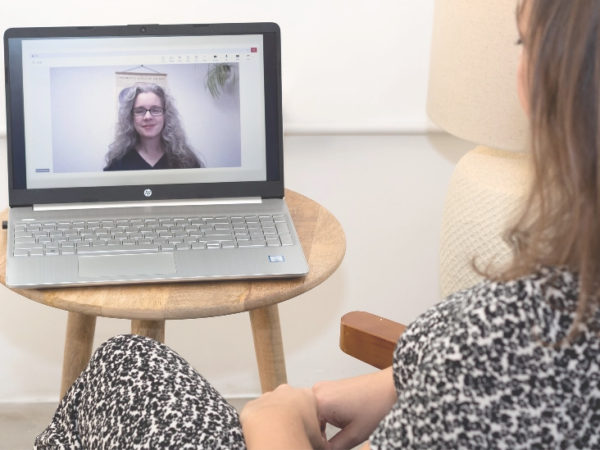
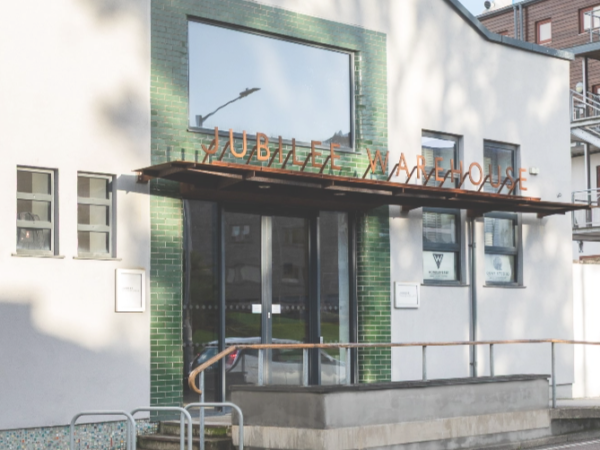
Once a client has decided to engage in counselling, the therapeutic relationship and work towards healing and growth can begin. Sessions last 60 minutes and can be face to face, online or over the phone. Sessions can be booked in advance or on a week-by-week basis, to a pattern that suits your schedule, depending on availability.

FAQs
Person centred therapy in a non-directive form of therapy lead by the client. It is based on the idea that the client has potential for self-growth within. With the counsellor offering a non-judgmental space for the client to explore, the client will navigate their own healing alongside empathy and unconditional positive regard. For further information please visit the BACP website for more info.
As person centred therapy is a talking therapy that explores the natural desire for self-development, it can be for anyone who is looking to grow, get a better sense of self and for most types of mental health issues. It best suited to those who like the to talk with freedom in a facilitative environment.
Briefly, short term therapy is up to six sessions. Mid -term varies between 12-20 sessions and anything over 20 is considered long term therapy. The amount of therapy you need will be based on your personal circumstances and will differ depending on what the client is experiencing. You can talk this though in session and for further reading please visit the Counselling Directory.
The frequency of therapy is entirely dependent on the client’s needs. With acute distress, the client may benefit from weekly sessions and uncommonly twice weekly, whereas the majority of clients initiate with weekly and reduce to fortnightly once they feel ready. This can be reduced further to monthly or picked back up again. It is common practise for clients to change the frequency based on their needs changing.
The BACP, or British Association for Counselling and Psychotherapy, is a professional body in the UK that sets standards, provides accreditation and promotes good practise for counsellors and psychotherapists.
A person-centred counsellor does not provide a diagnosis but instead, focuses on understanding your experiences and supporting you find your own direction and meaning.
When it comes to choosing between online and face to face therapy, there is no single “best“ option. The right choice depends on lifestyle, comfort and personal preference. Both formats offer meaningful and effective support; each has their own advantages.